What Is Memory Care? A Simple Guide for Families Facing Dementia
Many families have heard the term "memory care" but aren't sure what it actually means. Mike McClernon keeps it simple: memory care is assisted...

Memory care guide
Memory care is a specialized form of assisted living designed for seniors living with Alzheimer's disease, dementia, and other cognitive conditions.
On Long Island, memory care communities provide 24/7 supervised care in a secure environment, with staff trained specifically in dementia care techniques. Unlike standard assisted living, memory care units feature locked or secured entrances, structured daily routines, and therapeutic activities that support cognitive function.
These communities are sometimes called Alzheimer's care, dementia care, or cognitive care units. On Long Island and in Queens, there are approximately 47 memory care programs, 42 located within larger assisted living communities, and 5 operating as standalone memory care facilities.
Community profiles
State license facts, memory care beds and what is nearby, for communities Mike knows.
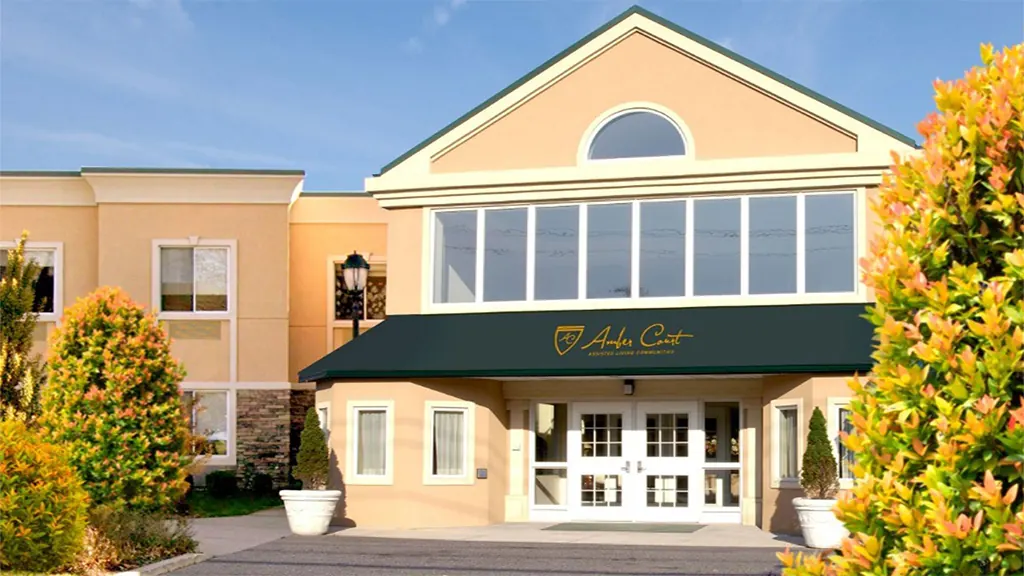 WestburyThe Alcove at Amber CourtAmber Court Assisted Living Communities are family owned facilities, built to offer outstanding care to the elderly. There are six Amber Court communities in Greater NNY, including two on the North Shore of Long Island. Amber Court believes everyone deserves to age in a comfortable, safe, and cheerful environment where each person is treated with kindness, c…Assisted livingMemory careSee the full profile
 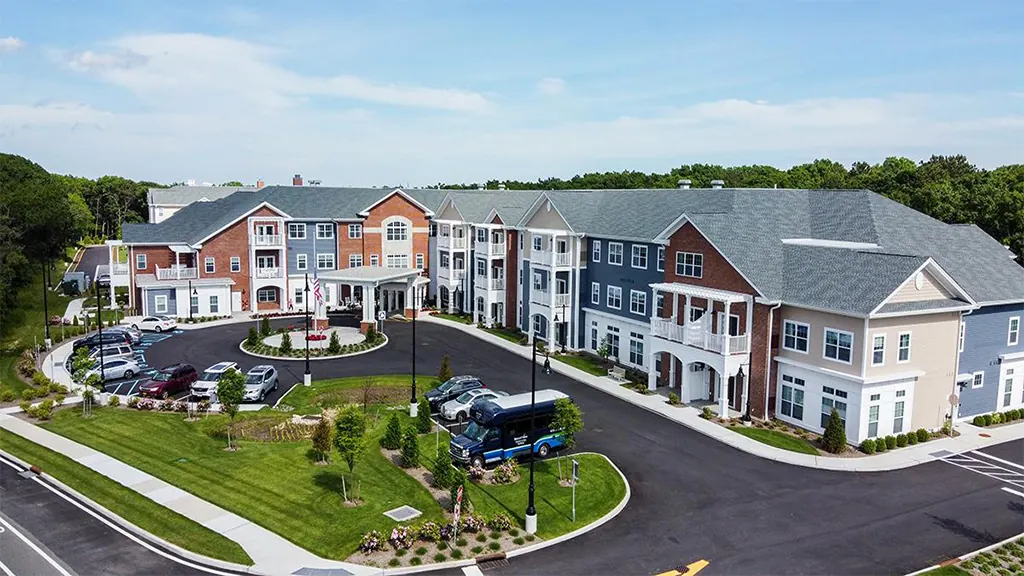 SayvilleBrightview Senior Living - SayvilleThe very respected regional company Brightview Senior Living has built a new Independent Living community in the active South Shore town of Sayville. The modern design of the common spaces, activity rooms, gym, restaurant, and the beautiful lobby will make you proud to bring family and friends alike for visits.Assisted livingMemory careIndependent livingSee the full profile
 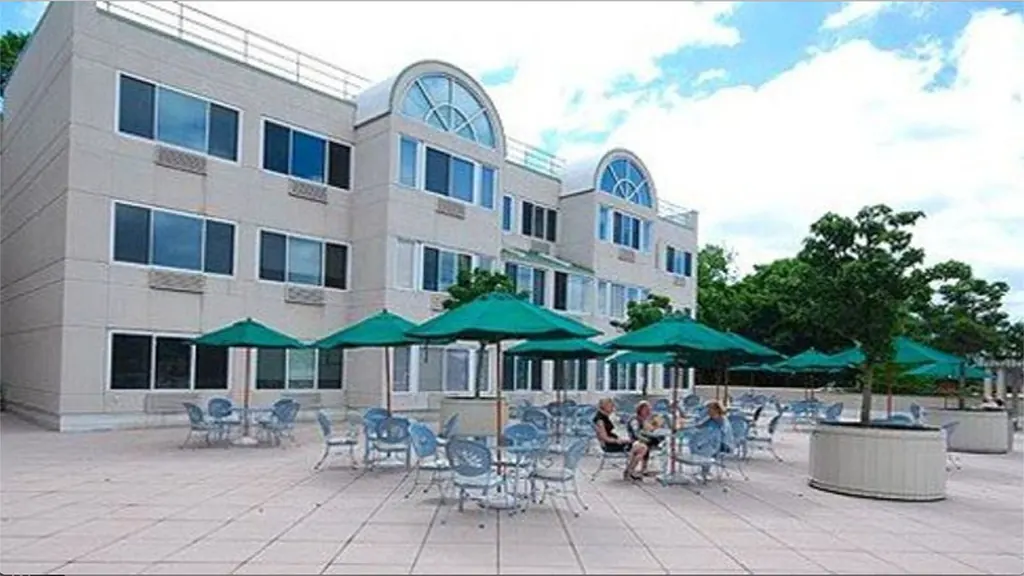 Glen CoveThe Regency at Glen CoveThe Regency in Glen Cove is a lovely, Enhanced Assisted Living and Memory community in the heart of Glen Cove, NY. The Regency features a full range of daily activities, local trip, guest lecturers, and spacious studios and one-bedroom apartments. There are several nice outdoor spaces spread throughout the community, including a porch overlooking the main st…Assisted livingMemory careIndependent livingSee the full profile
 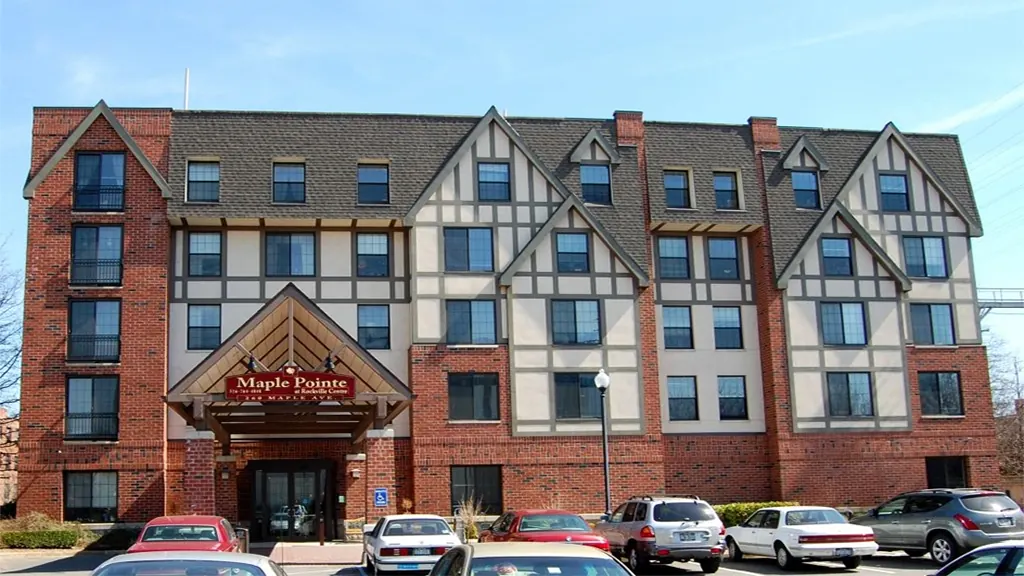 Rockville CentreMaple Pointe by Chelsea Senior LivingThe Chelsea at Maple Pointe offers Assisted Living and Memory Care in a caring, homelike environment. Residents are encouraged to exercise both their bodies and minds on a daily basis during our lifestyle activities. This community features several bus trips throughout the week, including two days to run errands to the local post office, library, banks, and…Assisted livingMemory careSee the full profile
 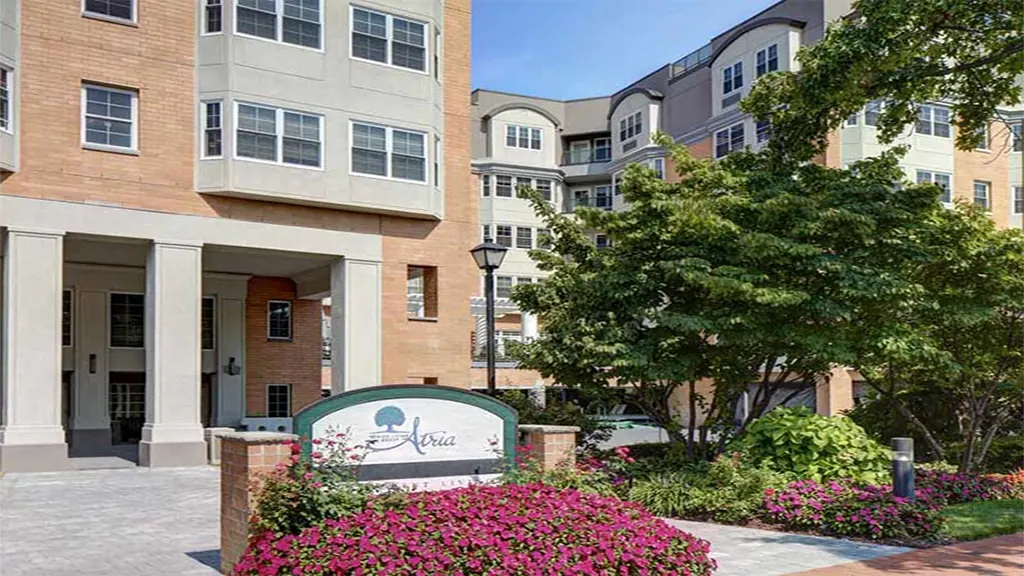 Great NeckAtria Park of Great NeckAtria is the country’s second largest collection of Assisted, Independent, and Memory communities. The “Park” designation within Atria means that this community offers the highest level of support allowed under NY State licensure for both Memory Care and Assisted Living. They care for seniors with dementia and with several of the physical difficulties that o…Assisted livingMemory careSee the full profile
 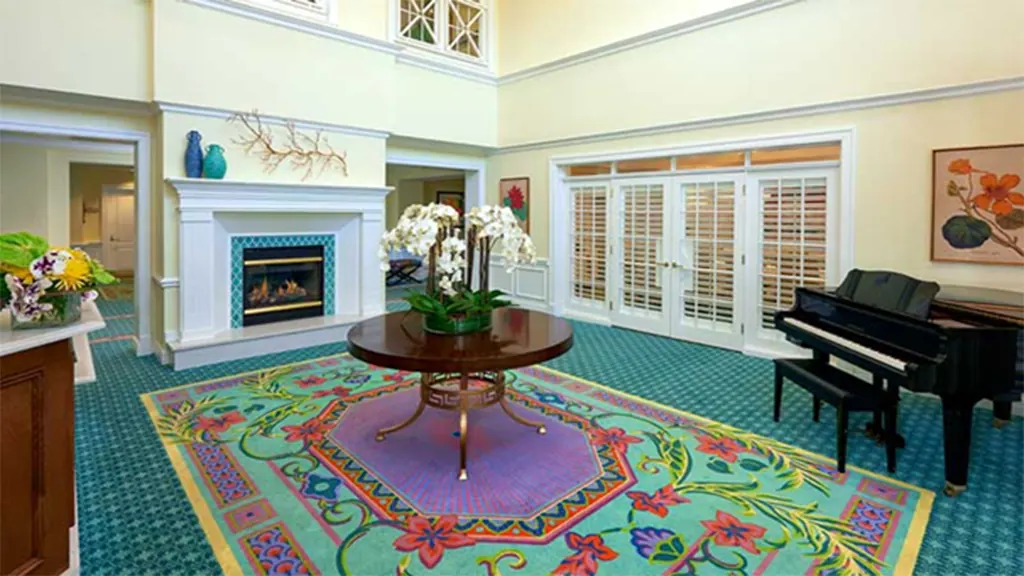 Valley StreamThe Bristal at North WoodmereThis is Bristal’s community is Nassau County’s “Five Towns” area. Like all Bristals, it combines elegant interiors with attentive staff and care teams. The Memory area is intimate and secure.Assisted livingMemory careSee the full profile
 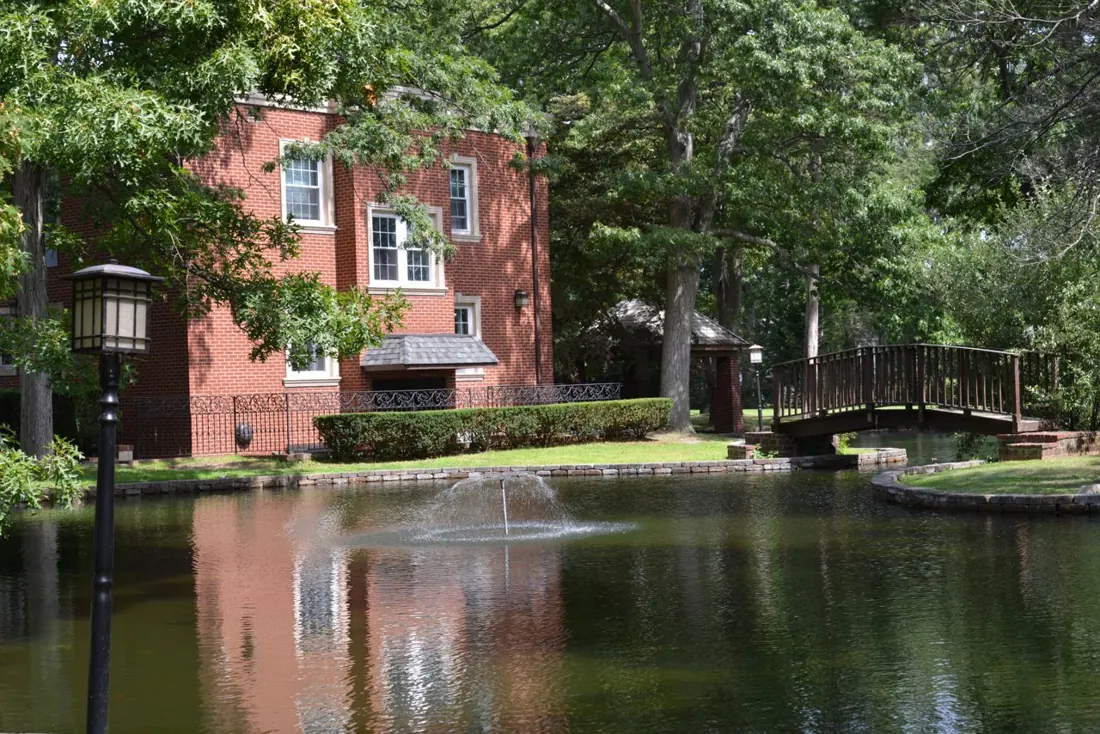 East NorthportBirchwood SuitesBirchwood Suites sits on a quiet road in East Northport. Families can learn how to successfully place in assisted living.Assisted livingMemory careSee the full profile
 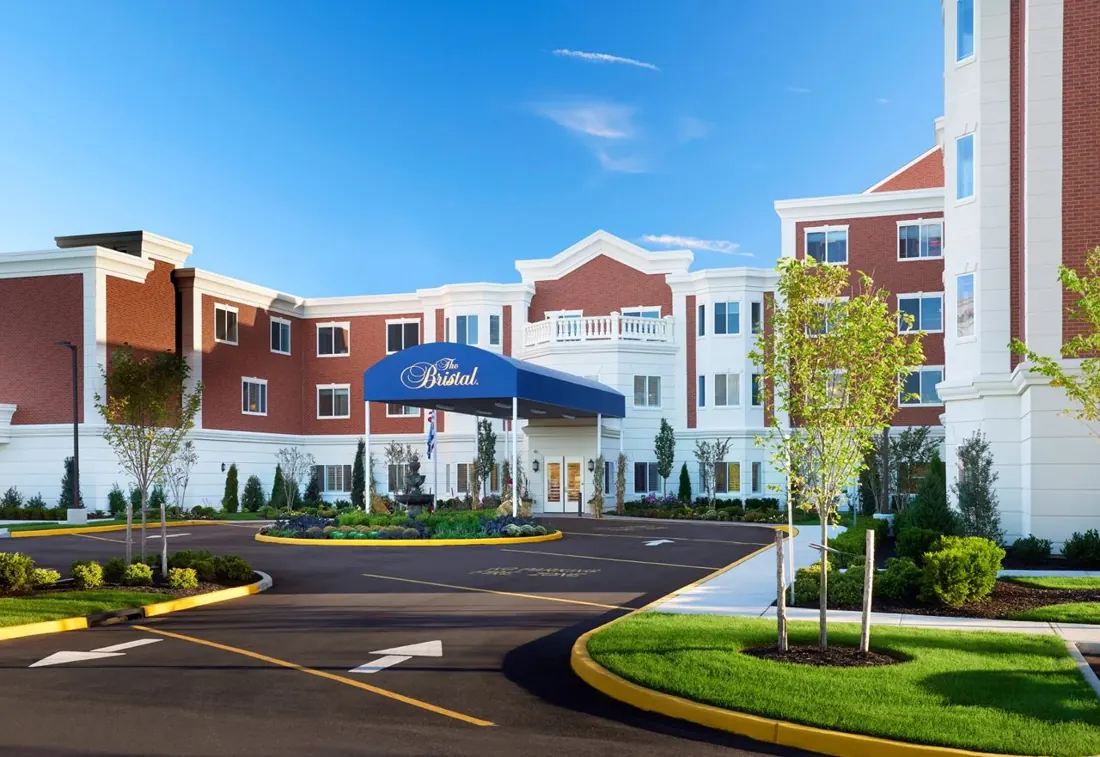 HoltsvilleThe Bristal at HoltsvilleThe Bristal at Holtsville offers a comfortable setting for seniors in Suffolk County. Families often read how to successfully place in assisted living for guidance. The memory care on Long Island program helps those with Alzheimer’s stay safe.Assisted livingMemory careSee the full profile
 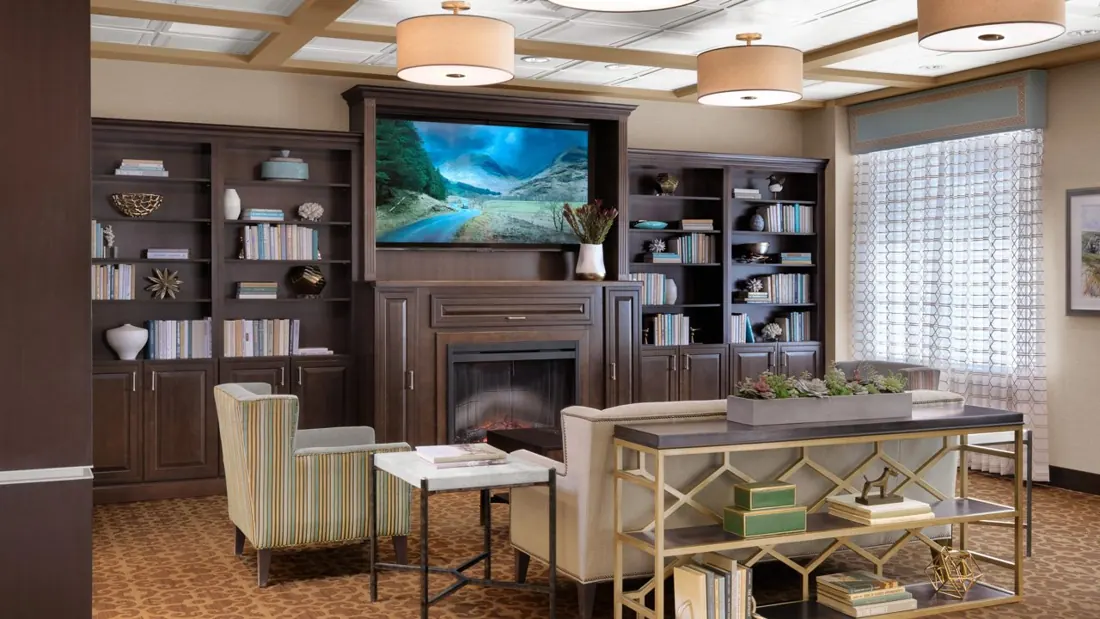 PatchogueAtria PatchogueAtria Patchogue sits at 131 East Main Street in the heart of Patchogue, Suffolk County. Families often ask about how to place your loved one in assisted living when they start looking for care.Assisted livingMemory careSee the full profile
 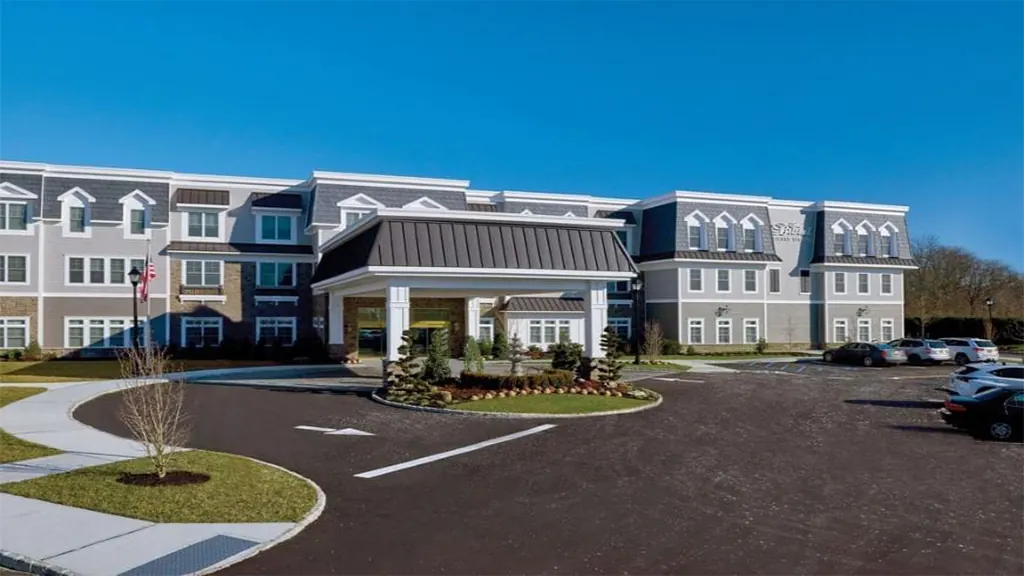 JerichoThe Bristal at JerichoThis is another new building for Bristal, it opened in 2019. The Memory Care section of this community is active and friendly, with residents, families, and staff all interacting in a friendly and upbeat manner. Memory apartments here come in two types, private studios and ‘Friendship Suites’, suites where both residents have private bedrooms and share a com…Assisted livingMemory careSee the full profile
 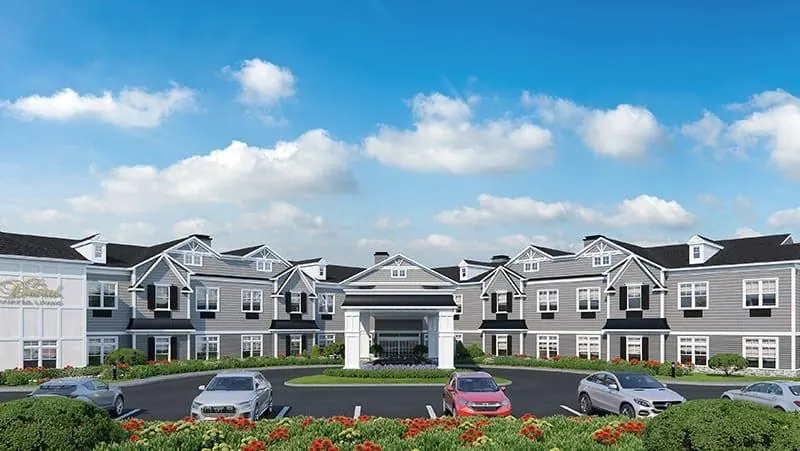 Mount SinaiThe Bristal Mt. SinaiThis is the newest in the group of Assisted Living and Memory Care Communities built and managed by the Bristal Assisted Living organization. The Bristal’s locations are all built as first-class buildings with elegant surrounding and top-quality care. Known for their cuisine, this new location in Mt.Assisted livingMemory careSee the full profile
 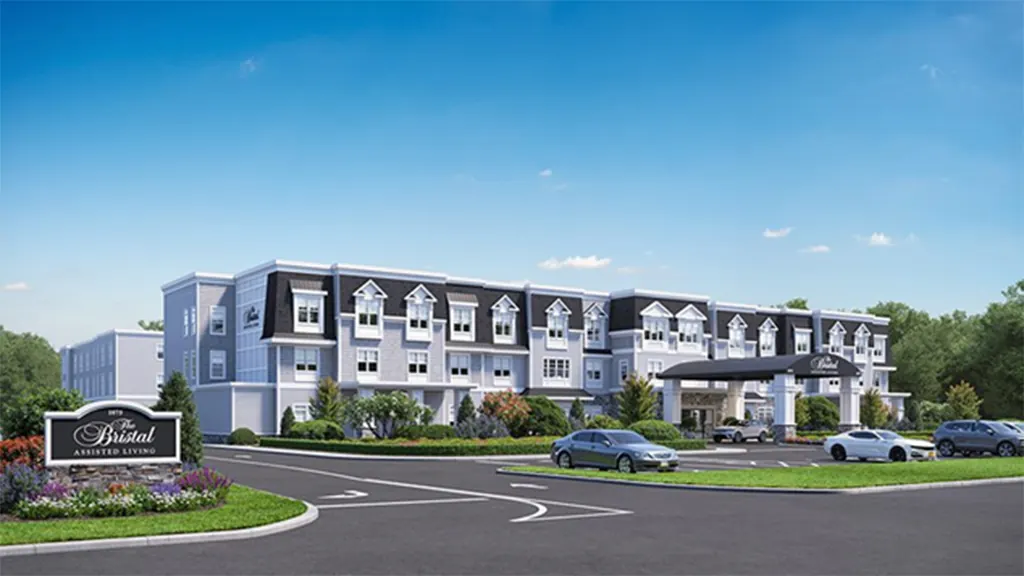 BethpageThe Bristal at BethpageThis is Bristal’s newest community, it opened in July of 2022. The Memory section of this community, and the Memory sections of all of Bristal’s communities, has the same amenities and services as Assisted Living, each boasts cinemas, bistros, secured outdoor spaces, activity rooms, access to physicians, and more.Assisted livingMemory careSee the full profile
 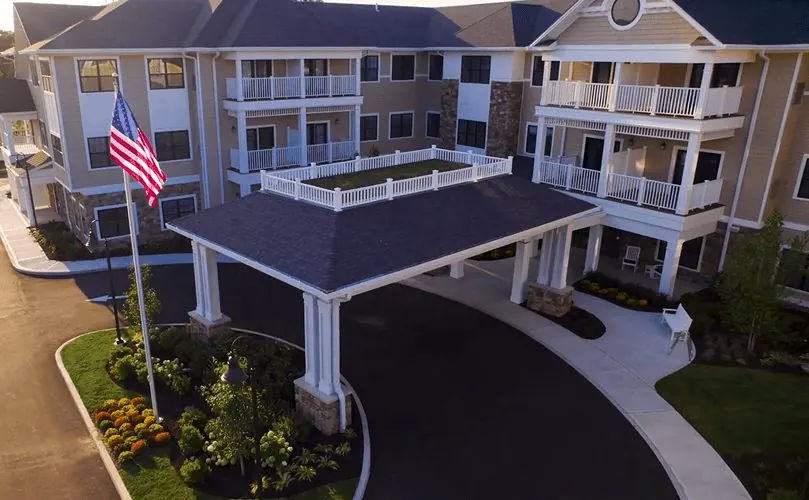 Port Jefferson StationBrightview Port Jefferson StationBrightview Port Jefferson Station sits on Route 112 in Port Jefferson Station, Suffolk County. You can read how to successfully place in assisted living and learn discussing placement into assisted living with your parents before touring.Assisted livingMemory careIndependent livingSee the full profile
 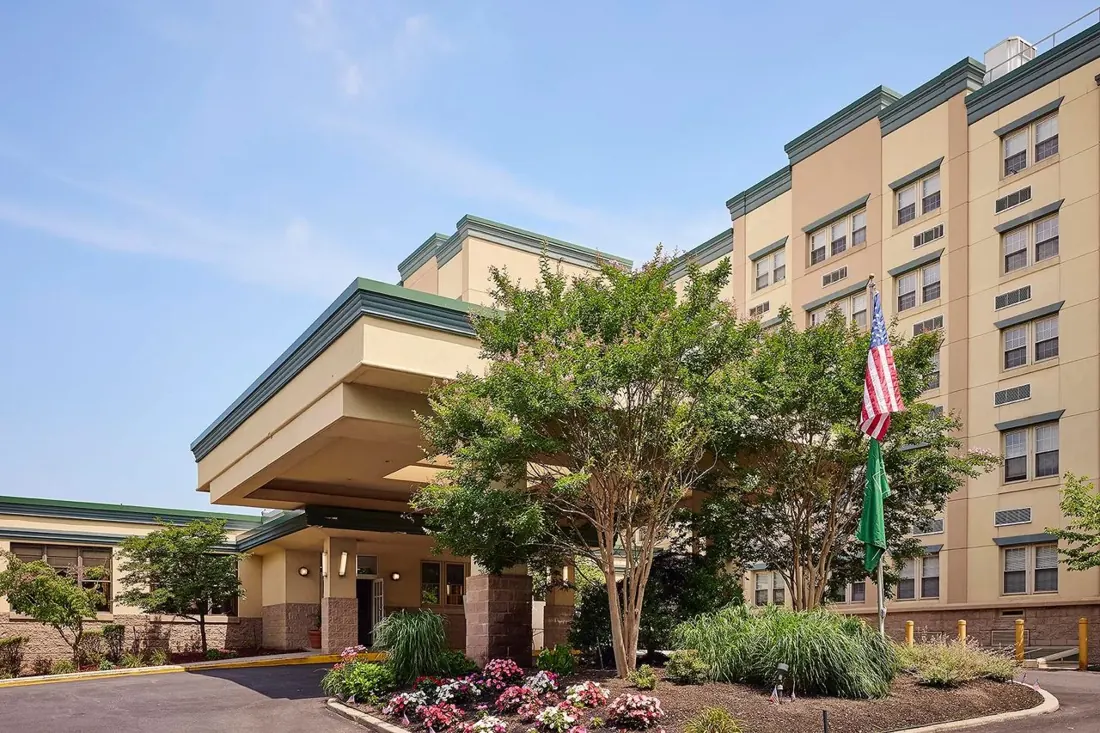 Little NeckBrandywine at the Savoy by MonarchBrandywine at the Savoy by Monarch is a senior living community in Little Neck, Queens.Assisted livingMemory careSee the full profile
 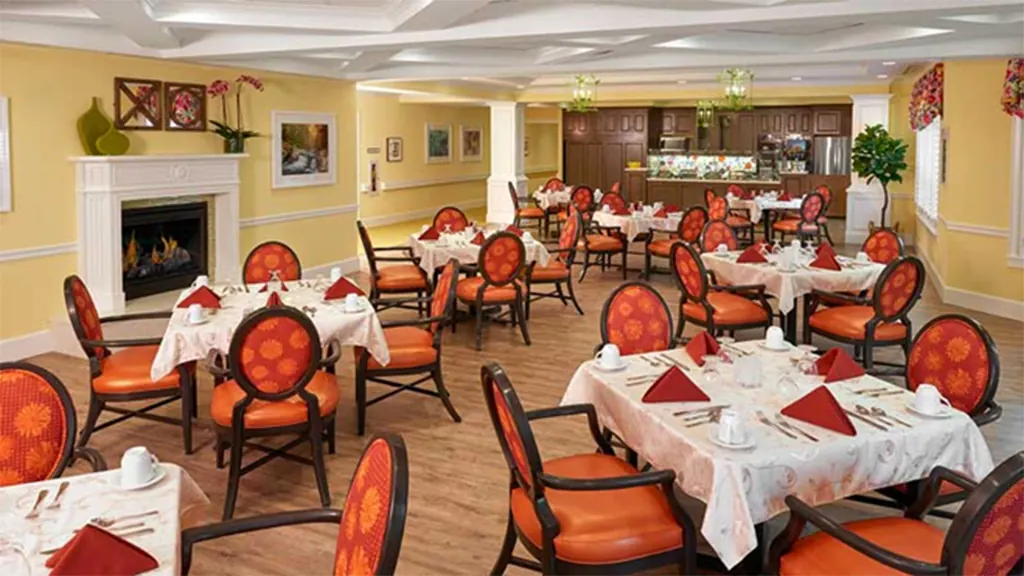 Garden CityThe Bristal at Garden CityThis is one of the Bristal’s newest communities, and as is typical in new communities the population in both Assisted and Memory tends to be slightly younger and less needy than communities that have a longer tenure. The apartments in Memory are all identical, all medium sized studios and are set up in a “figure 8” arrangement.Assisted livingMemory careSee the full profile
 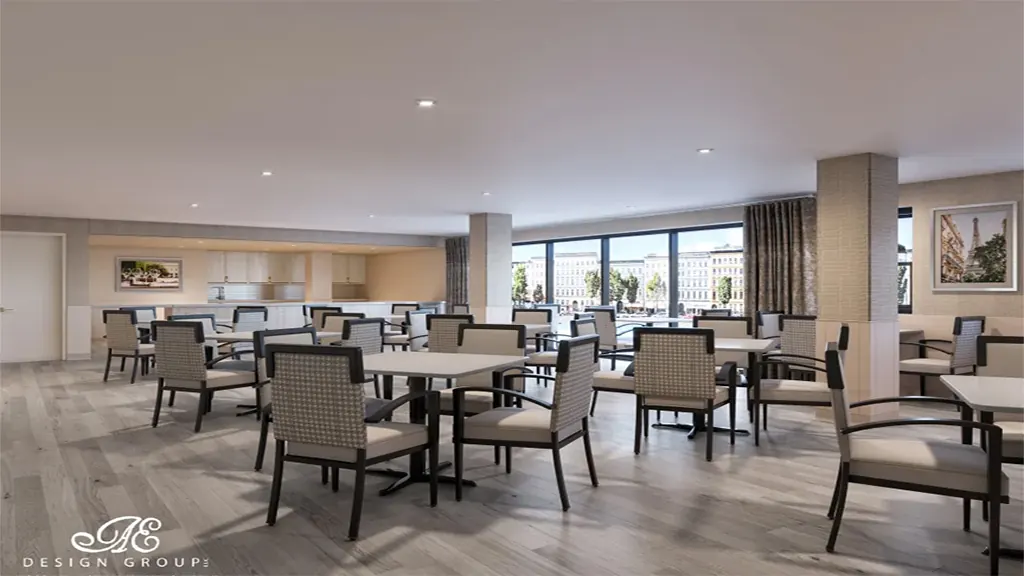 WoodmereThe Esplanade of WoodmereThe Esplanade in Woodmere is a special place. It is just undergoing finishing touches and will be open in late 2021. It has been designed for seniors who value the Jewish experience in care for people with dementia.Memory careSee the full profile
 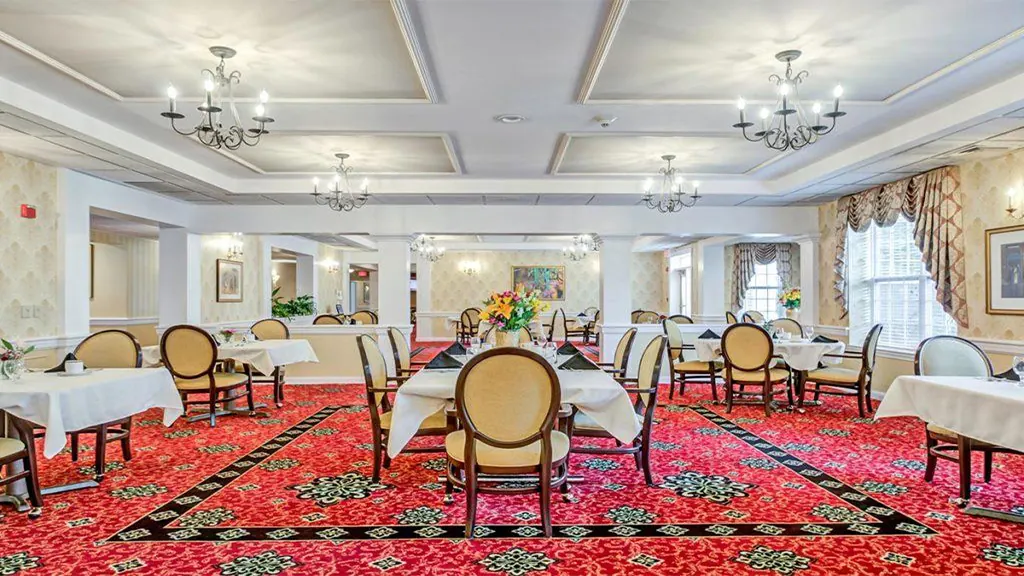 MelvilleBrandywine Huntington Station by MonarchThe Brandywine company is a respected provider of senior living in the Mid-Atlantic states, and their Melville location boasts Assisted Living and Memory Care buildings, in addition to a popular Independent Living community. This community’s independent apartments are spacious and sunny and include full kitchens.Assisted livingMemory careIndependent livingSee the full profile
 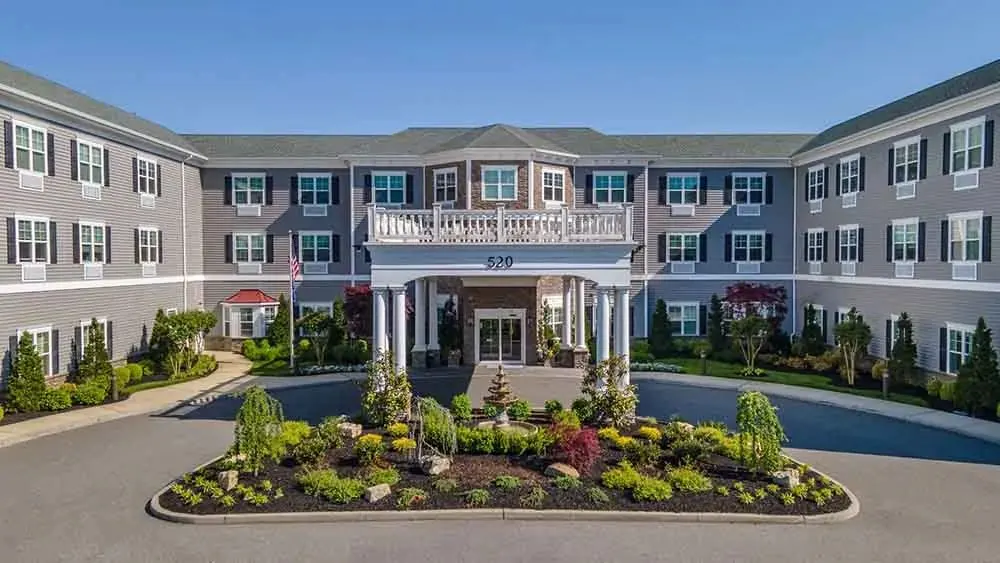 West BabylonThe Bristal at West BabylonThe Bristal at West Babylon sits on Montauk Highway in West Babylon. Families can explore assisted living options in Suffolk County assisted living options in Suffolk County when they start their search.Assisted livingMemory careSee the full profile
 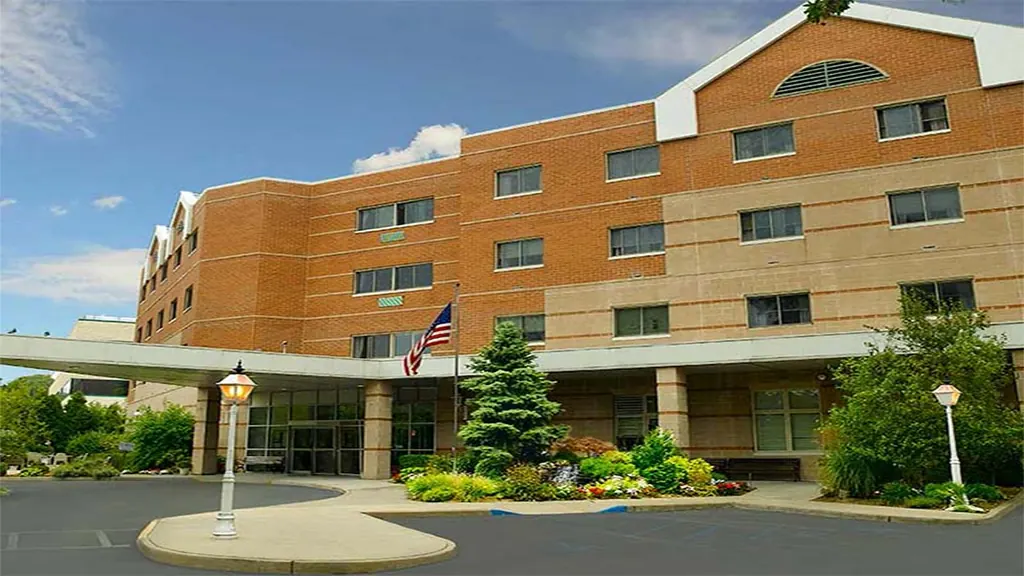 LynbrookAtria Park of LynbrookThis community, like other Atria Park’s, can care for seniors with dementia, typically, for the rest of their lives. They are prepared for wheelchairs and other needs, and have separate daily activities for those with greater and lesser abilities. The building has recently been completely renovated, and the studio apartments for Memory residents are spacious…Assisted livingMemory careSee the full profile
 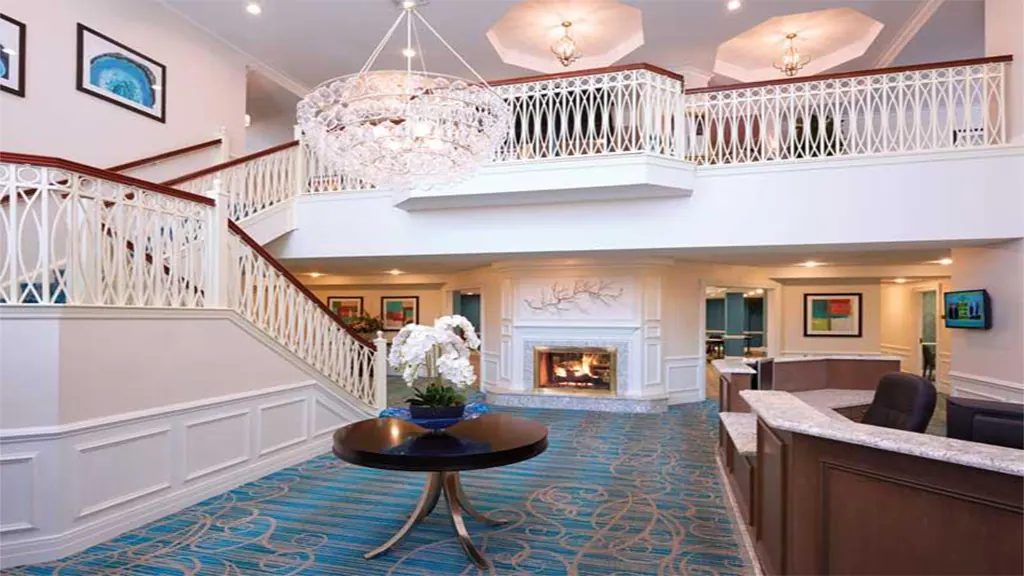 WestburyThe Bristal at WestburyThe Bristal in Westbury is located near the heart of the bustling downtown of Westbury. The community takes advantage of this location, arranging trip quicks to town to shop, eat, or just get outside for a walk. This community has a nice outdoor garden, a putting green, cinema, fitness center, and a dozen activities each day to keep residents busy and engage…Assisted livingMemory careSee the full profile
 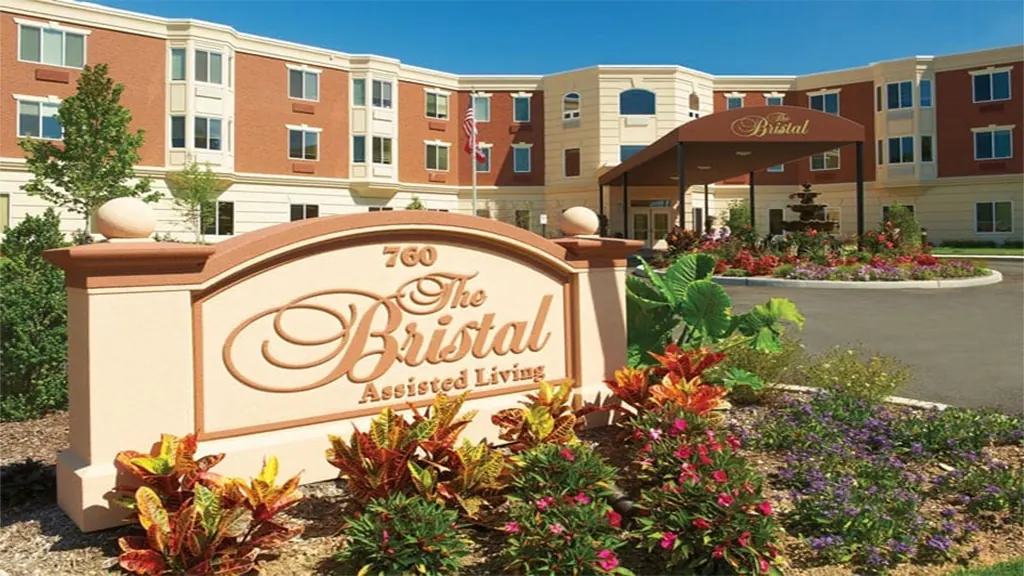 MassapequaBristal MassapequaThis Bristal Community is continually active! There is always a lecture, trip, or other fun activity at this Community. I was there once when a choir from another Bristal came and performed for the residents, and stayed for a cocktail social hour.Assisted livingMemory careSee the full profile
 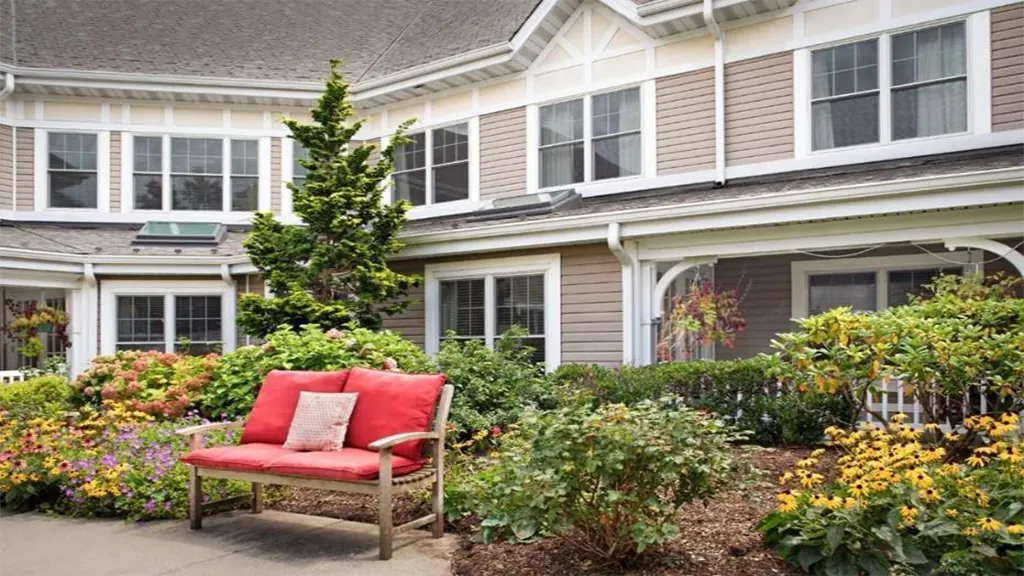 LynbrookSunrise at North LynbrookThis Sunrise is located in a quiet residential area in Lynbrook. The landscaping and grounds area particularly beautiful, and residents and guests use the property to walk around or just enjoy a pleasant day. The staff here is very tenured.Assisted livingMemory careSee the full profile
 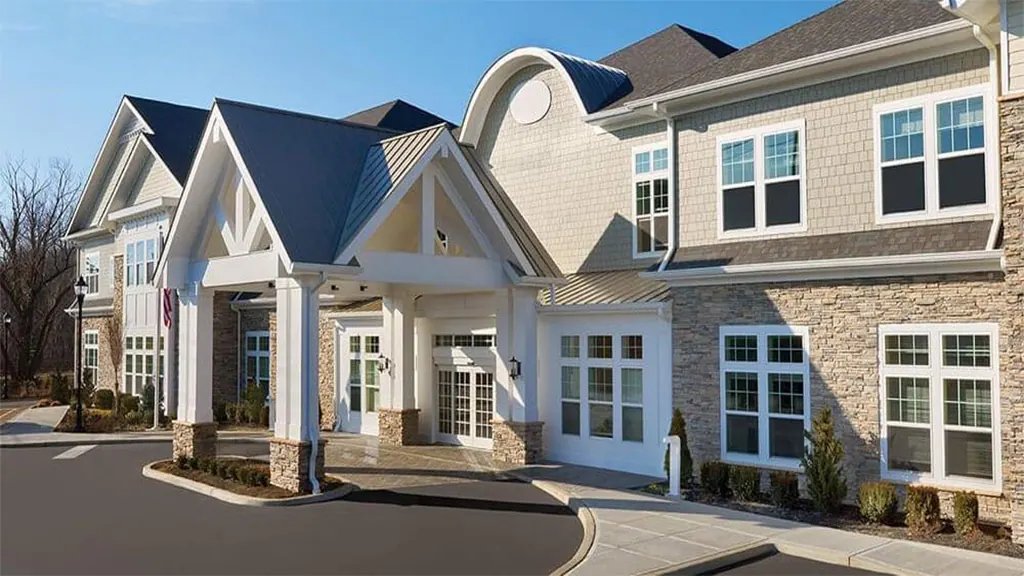 Lake SuccessThe Bristal at Lake SuccessThis is Bristal’s only ‘Memory Only’ Assisted Living community. Everything and everyone in the community is focused on the needs of seniors with dementia and the physical difficulties that often accompany later stage dementia. The community boasts two interior, secured courtyards.Memory careSee the full profile
 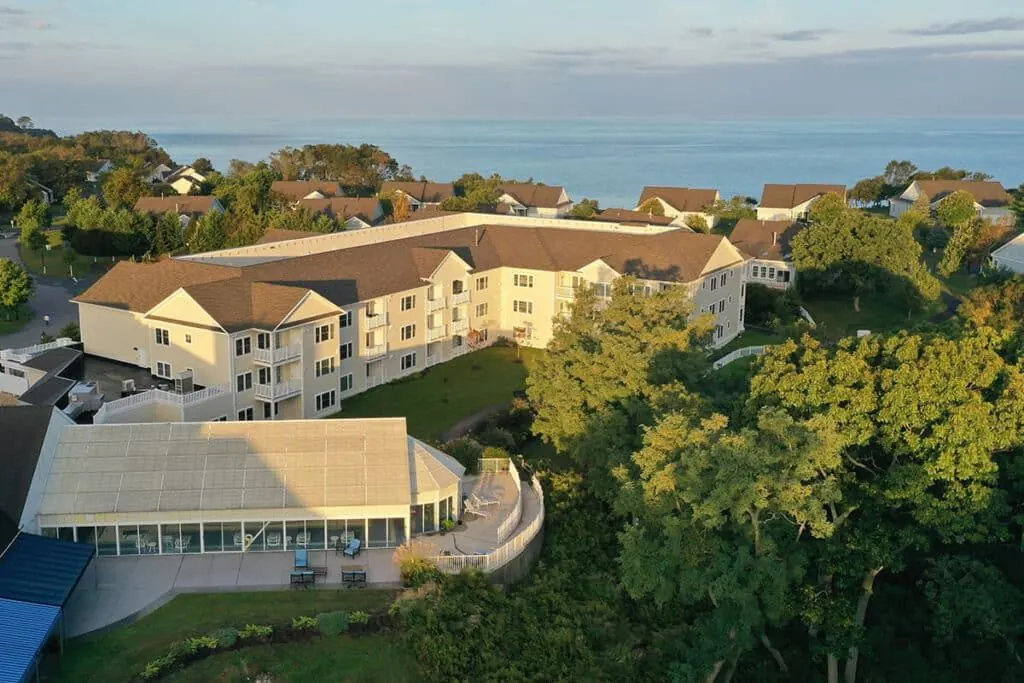 GreenportPeconic LandingPeconic Landing sits on Brecknock Road in the waterfront town of Greenport. The community is just a mile from Norman E. Klipp Marine Park and a short walk to local shops, giving residents easy access to the sea and village life.Assisted livingMemory careIndependent livingSee the full profile
 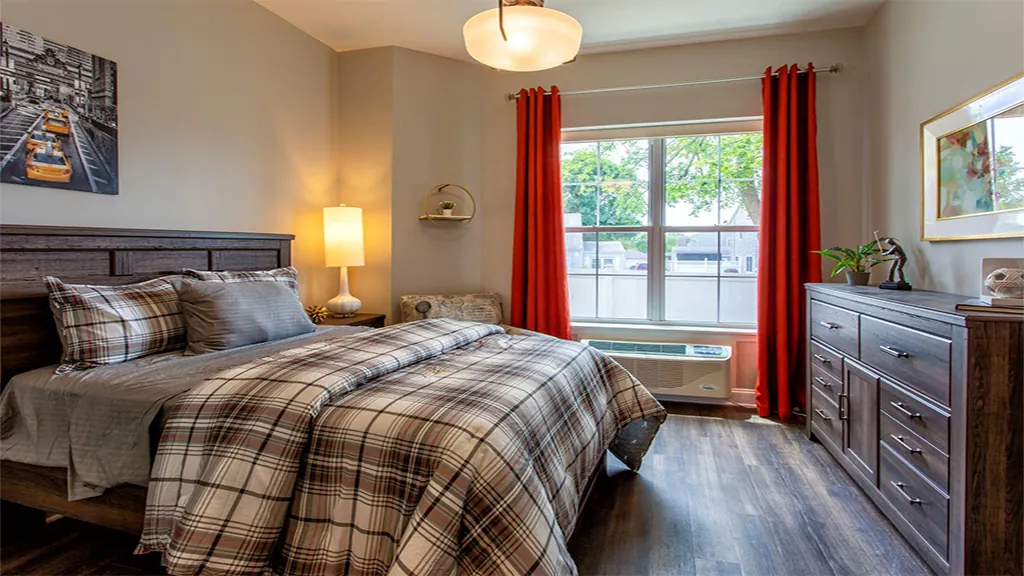 LevittownAtria LevittownThe Village Green Assisted Living and Memory Community in Levittown is all about human interaction. The Levittown area in Central Long Island grew after World War II based on thousands of returning GI’s looking for moderately priced houses where they could build their American dream surrounded by friends and family.Assisted livingMemory careSee the full profile
 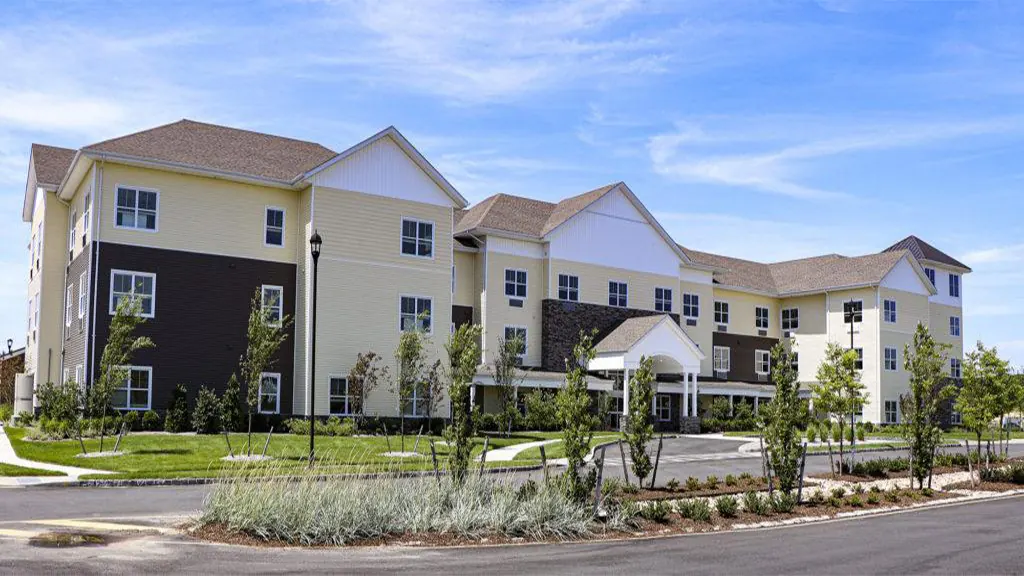 YaphankChelsea Senior Living at BrookhavenThis is a beautiful new community, just opened in 2021. The site of this community is one of its greatest assets, it is built as part of an exceptionally large development which includes standard apartments and condominiums, stores, recreation facilities, restaurants, shops, this is truly a miniature town!Assisted livingMemory careIndependent livingSee the full profile
 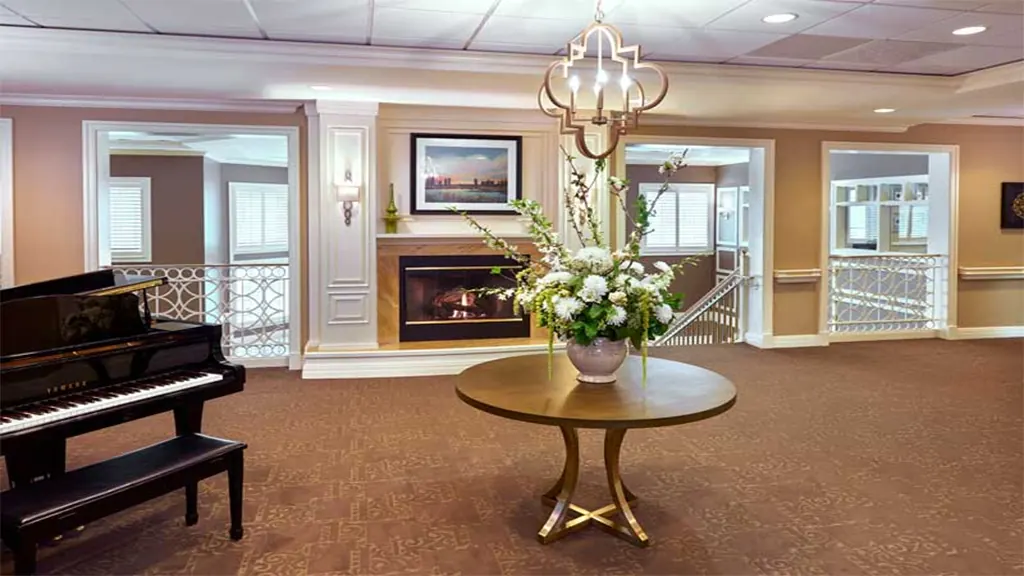 North HillsThe Bristal at North HillsThis community is very close to Roslyn, Great Neck, and other exclusive towns in Western Nassau County. It is also close to Long Island Jewish, Winthrop, North Shore, and St. Francis.Assisted livingMemory careSee the full profile
  LynbrookThe Bristal at LynbrookThis Bristal has a great, active spirit. Residents in both Assisted Living and Memory Care busy. There is an active calendar of events, and the care staff has received special trainging to help residents with dementia have peaceful and happy days.Assisted livingMemory careSee the full profile
 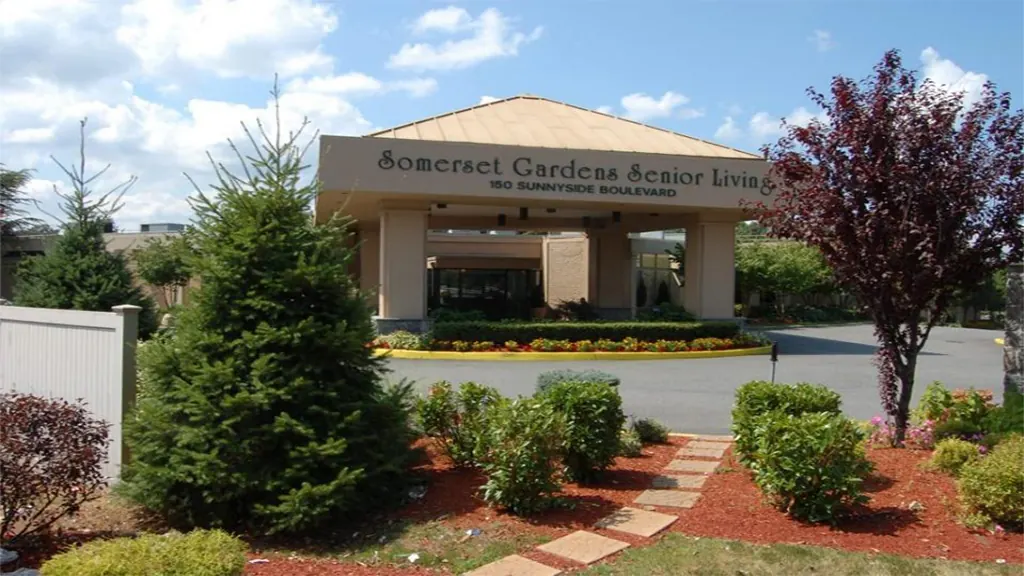 PlainviewSomerset Gardens by Chelsea Senior LivingThis community is conveniently located close to major roads in the eastern half of Nassau County. The Memory section of the building, called the Country Cottage, has its own secure outdoor space. The community can care for people who have cognitive difficulties accompanied by physical difficulties, such as the inability to walk or swallow easily.Assisted livingMemory careSee the full profile
 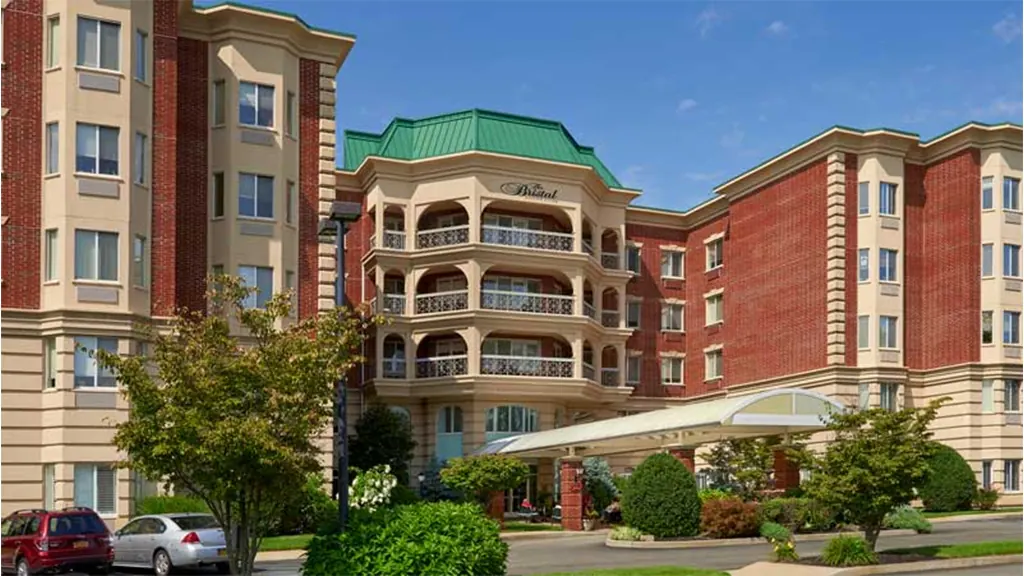 East MeadowThe Bristal East MeadowGetting to a community to visit a loved one easily makes for more frequent visits, and this Bristal is close to the Northern State, Hempstead Turnpike, the Meadowbrook Parkway, and others. The community is built in a vertical apartment style, and their Memory area features several different types of apartments.Assisted livingMemory careSee the full profile
 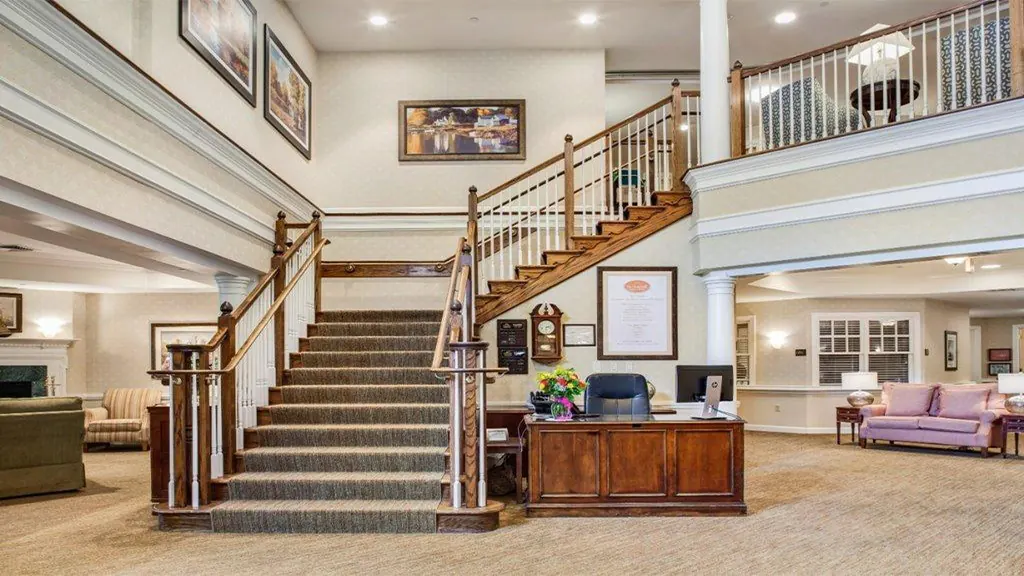 East MeadowSunrise of East MeadowSunrise is a standard setter for all types of Senior Living, including Memory Care. Sunrise provides care for seniors with dementia, and also supports the increasing physical needs that often accompany advancing cognitive decline. This community is located in East Meadow, convenient to major roads, medical institutions, and several residential areas in Nassa…Assisted livingMemory careSee the full profile
 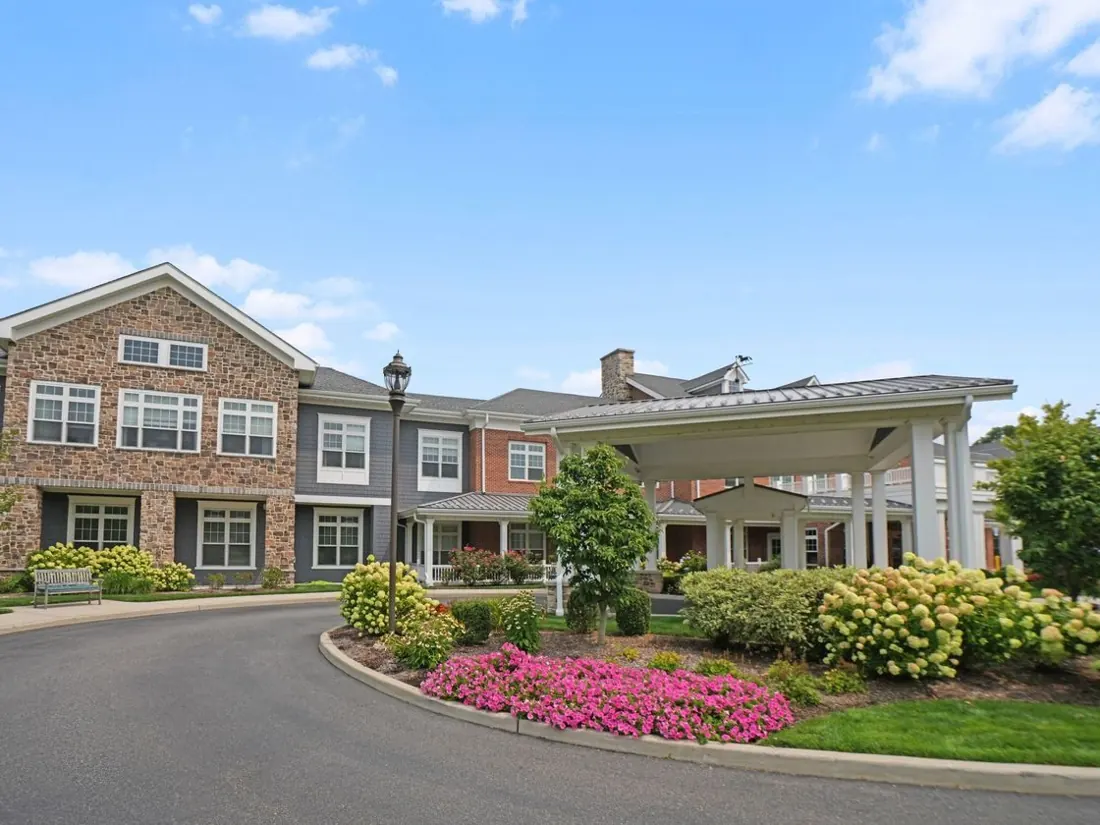 Huntington StationSunrise of HuntingtonSunrise of Huntington provides Assisted Living Suffolk County and memory care in Huntington Station, Suffolk County.Assisted livingMemory careSee the full profile
 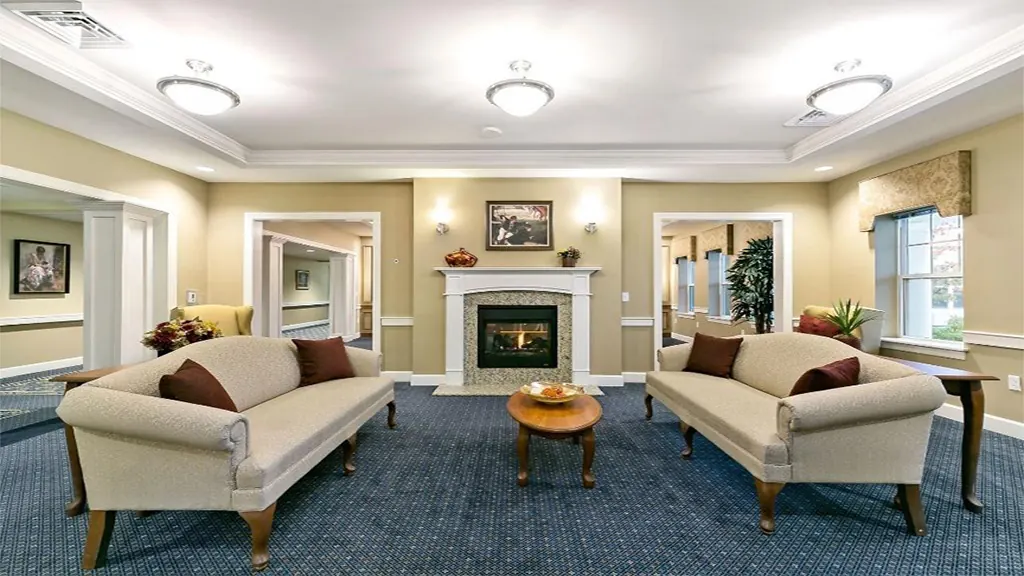 CoramAll American Assisted LivingThis new Community, open just one month, is upbeat, simple, and very affordable. Most of the rooms are three room, two bed, two bath suites shared by two people, each with private bedrooms. All American has a special focus on mobility and exercise and are one of the only Assisted/Memory Communities to include guided individualize exercise as part of their ev…Assisted livingMemory careSee the full profile
 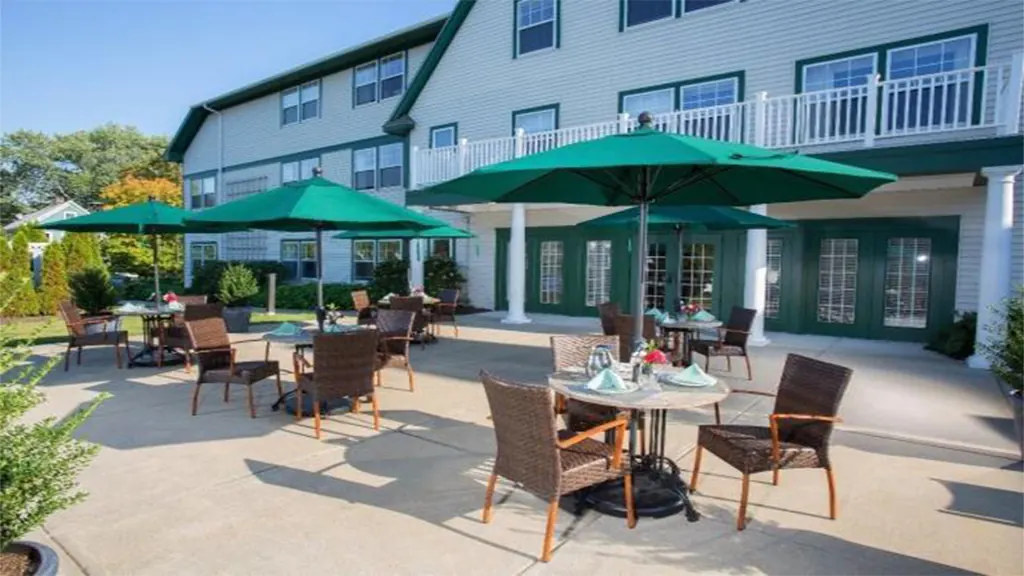 SmithtownBenchmark Whisper WoodsThis community offers a wide variety of activities for seniors. Their Assisted Living features ‘All Day Dining,” a unique feature of Benchmark communities. There are lectures, trips, and a very full slate of daily activities, which include art, crafts, music, exercise, movies, and parties.Assisted livingMemory careSee the full profile
 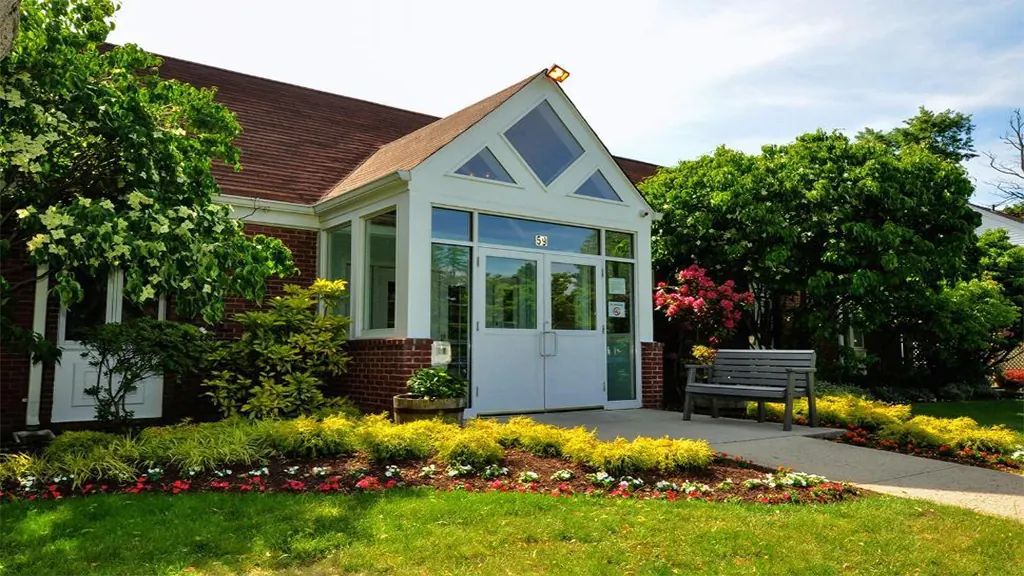 BayvilleRosewood on the SoundThis is a small Memory Care only community in Bayville. The staff ratio is good, and as the name implies it is right on Long Island Sound. I’ve been to the community more than once and seen the residents very engaged with outside entertainment.Memory careSee the full profile
 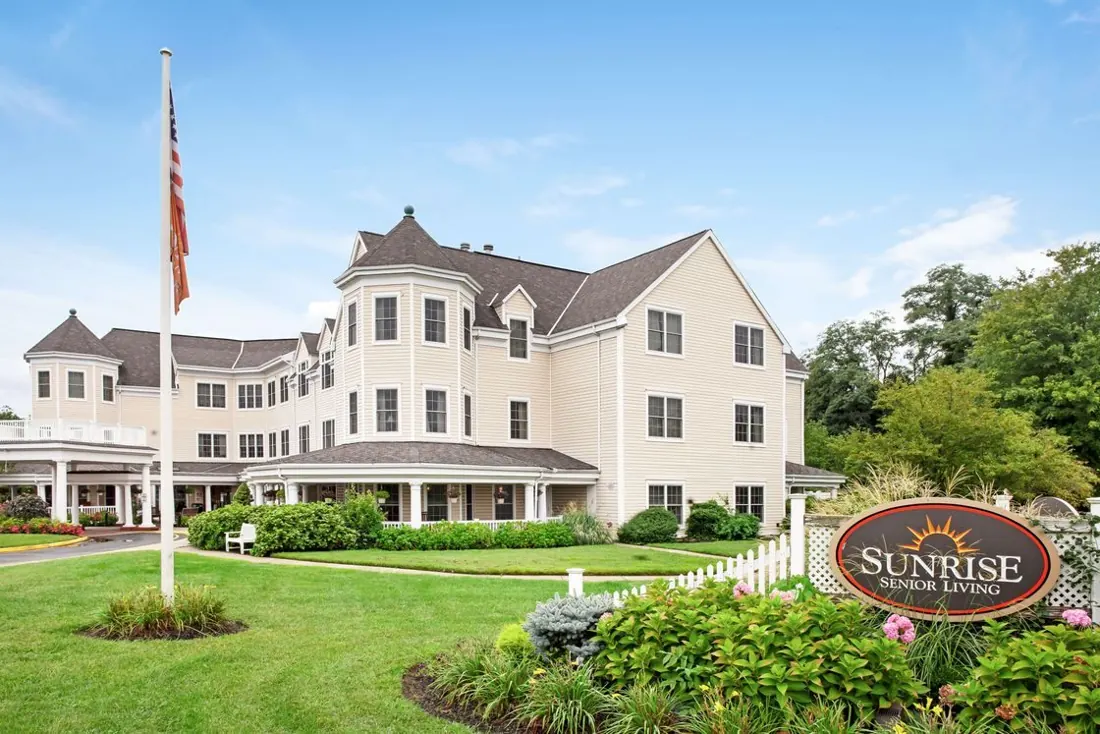 SmithtownSunrise of SmithtownSunrise of Smithtown sits at 30 NY-111 in Smithtown, Suffolk County. Families often start by reading how to successfully place in assisted living to learn the steps. They also find it helpful to read discussing placement into assisted living with your parents for conversation tips.Assisted livingMemory careSee the full profile
  CommackThe Fay Linder Residences at GurwinThe Fay Linder Residences at Gurwin sit in the heart of Commack and welcome seniors who need assisted living or memory care. Families often read about how to successfully place in assisted living when they start their search.Assisted livingMemory careSee the full profile East NorthportBristal East NorthportThis beautiful Community in East Northport is nearing completion on a multi-million dollar interior renovation. Well before other Assisted and Memory Communities would even start planning for new carpeting and other furnishings, the Bristal organization is painting, papering, installing new carpeting, replacing furniture, and renovating the already attractiv…Assisted livingMemory careSee the full profile
 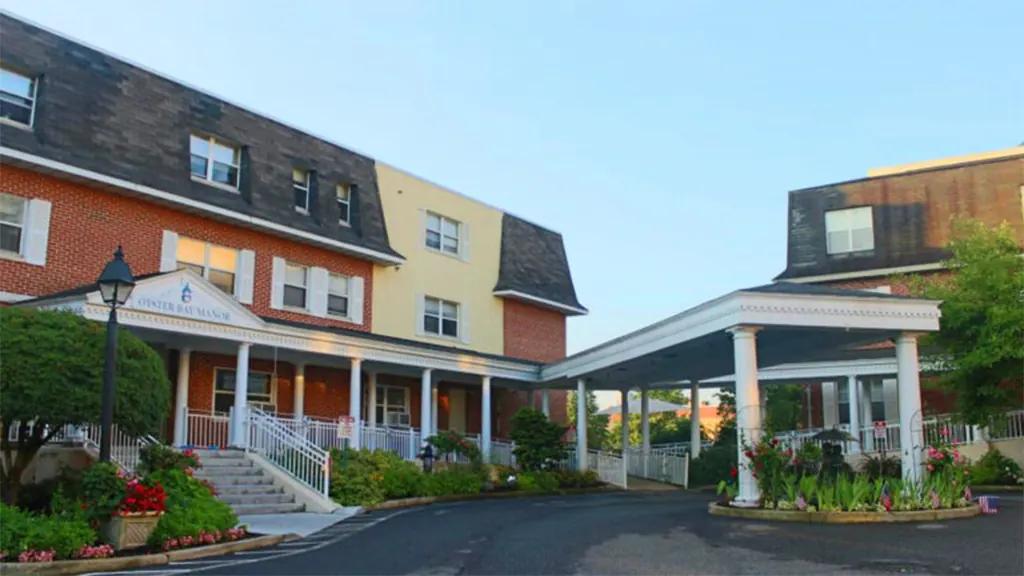 Oyster BayHarbor HouseThis community provides all that a senior might need, personal care assistance, a beauty/barber shop, housekeeping, laundry, restaurant style dining, a wide variety of activities inside the building and in the surrounding North Short towns and beaches and visiting physicians. In addition, new for 2022 is an on-site Nurse Practitioner, a first for Long Island…Assisted livingMemory careSee the full profile
 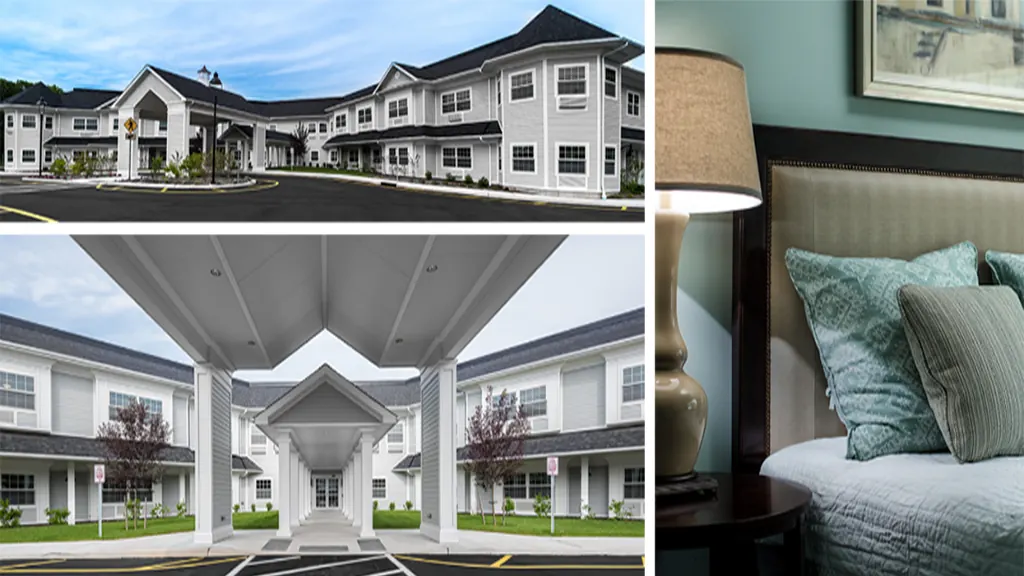 WesthamptonThe Villa at WesthamptonThe Villa’s goal is to allow residents to live a healthy and upbeat life, unburdened by the work and expense of managing a home or apartment. The community provides Assistance with the Activities of Daily Living as needed. The atmosphere is warm and loving.Assisted livingMemory careSee the full profile
 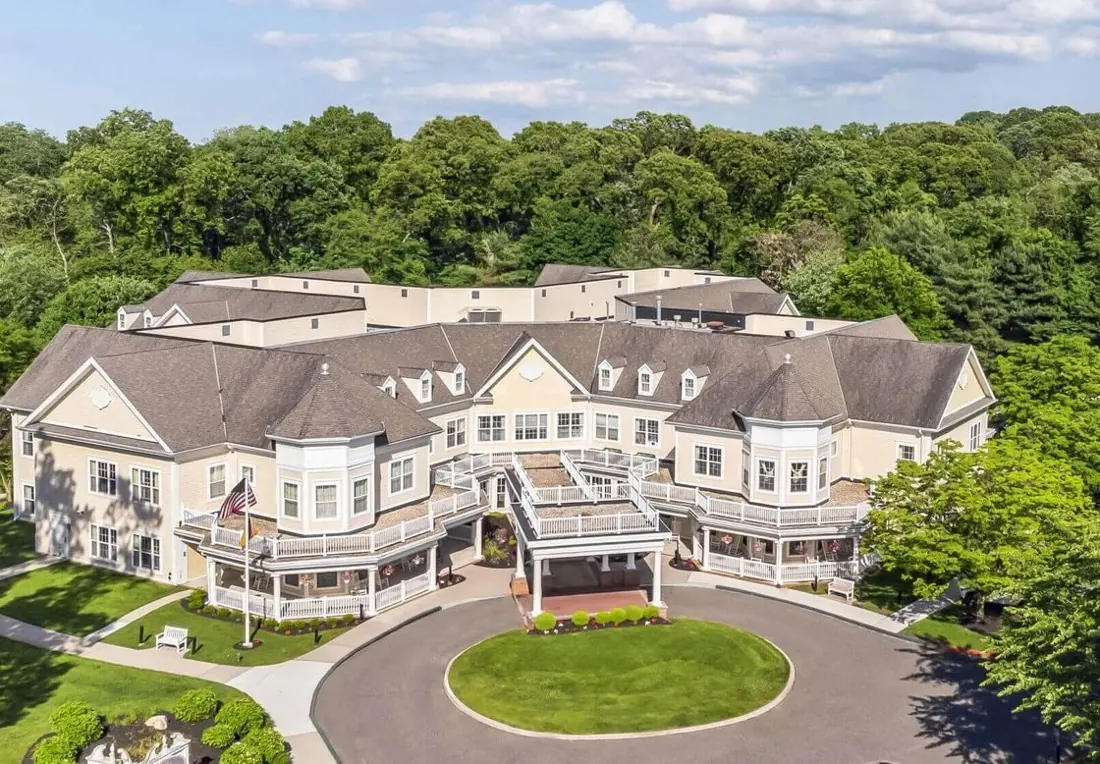 East SetauketSunrise of East SetauketSunrise of East Setauket sits on Route 25A in Suffolk County. The community offers assisted living and memory care. Families can learn how to successfully place in assisted living and memory care and see forward-thinking care for your elderly loved one here.Assisted livingMemory careSee the full profile
 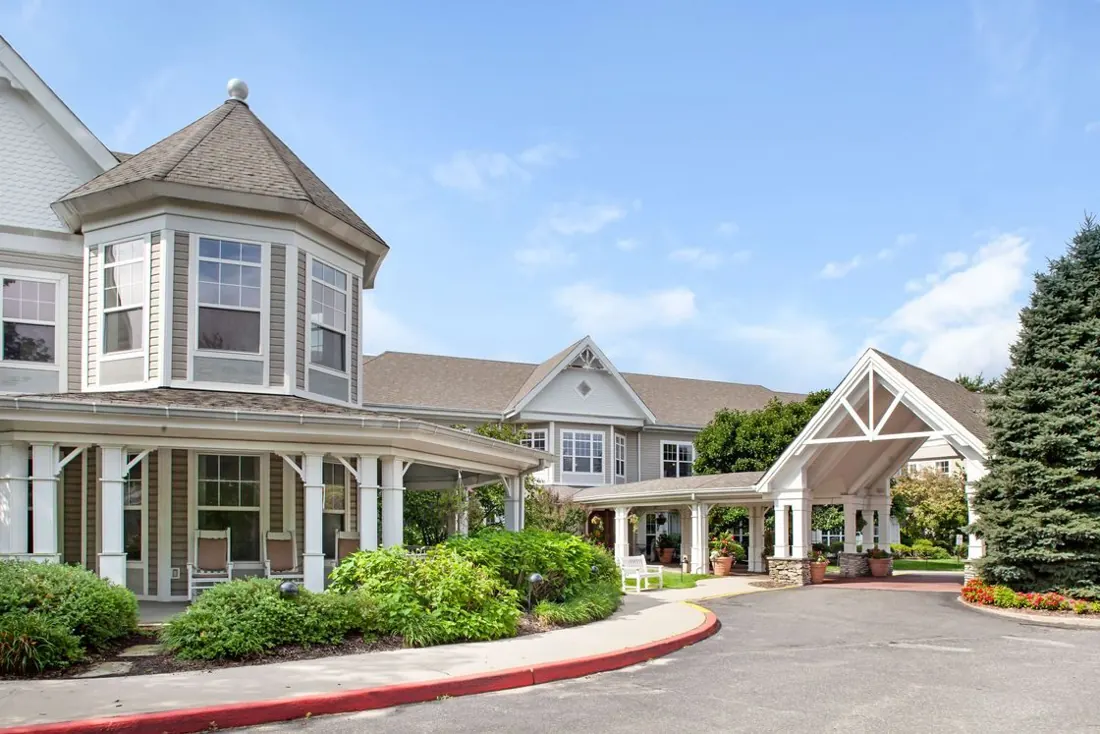 HolbrookSunrise of HolbrookSunrise of Holbrook sits on Patchogue-Holbrook Road in the heart of Suffolk County. Families often read How to Successfully Place in Assisted Living and Memory Care to learn the steps, and Mike has written about Challenges of Placing Couples with Different Needs into Senior Living and how they can be addressed.Assisted livingMemory careSee the full profile
 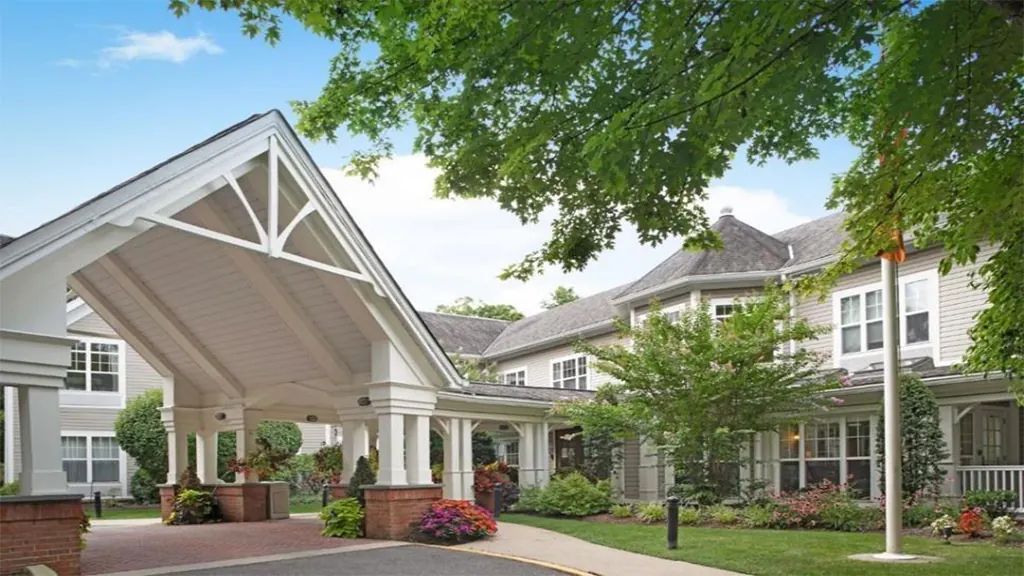 PlainviewSunrise of PlainviewThe Sunrise of Plainview is small and intimate. The Memory neighborhood is particularly cozy less than 20 residents with Alzheimer’s or other forms of dementia are cared for by a dedicated and specially trained staff. The residents in the Memory neighborhood also have a dedicated, secure garden area, which is well tended and peaceful.Assisted livingMemory careSee the full profile
 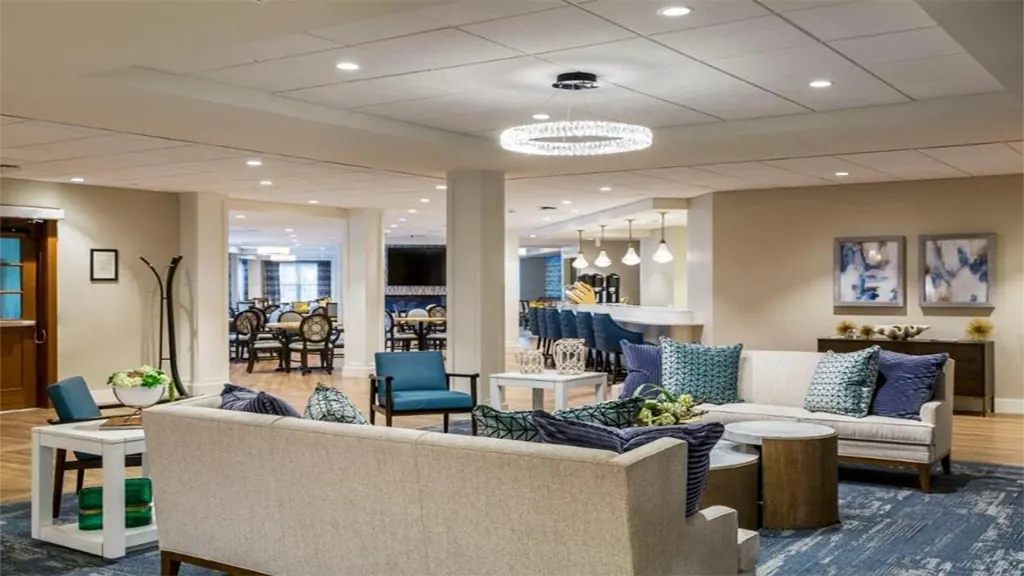 WoodburyOrchard Estate of WoodburyThis lovely community is an excellent choice for seniors looking for a big-hearted community with a smaller footprint. Regardless of the level of personal care required, Orchard Estates offers great food, an experienced and friendly staff, and a full slate of daily activities. A distinctive feature of all Benchmark communities is All Day Dining, no more esta…Assisted livingMemory careSee the full profile
 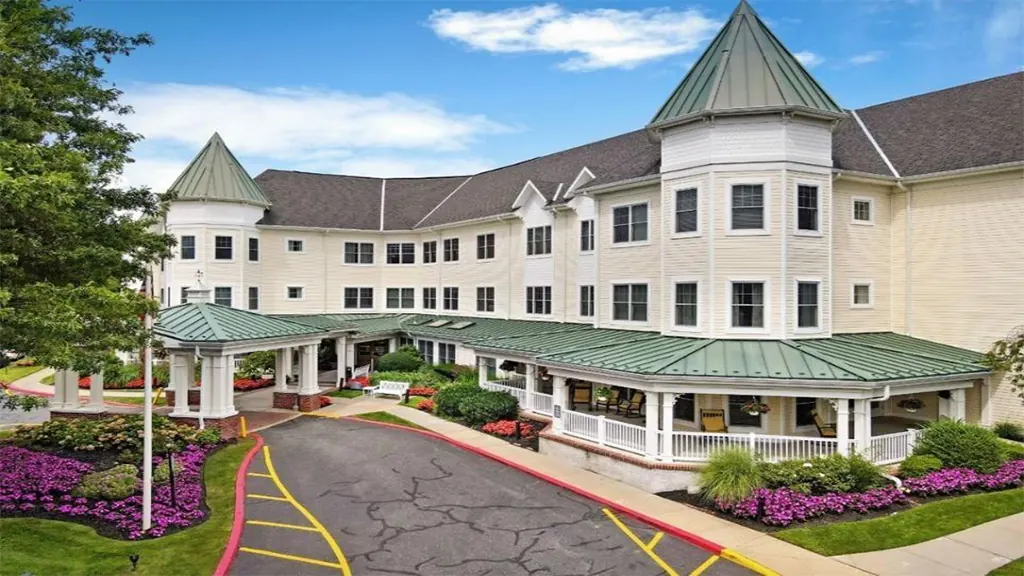 Glen CoveSunrise of Glen CoveSunrise of Glen Cove sits at 39 Forest Ave in Glen Cove, Nassau County. It is only 0.3 miles from Glen Cove Hospital and 0.7 miles from Welwyn Preserve. Learn how to successfully place in assisted living and read about the challenges of placing couples with different needs.Assisted livingMemory careSee the full profile
 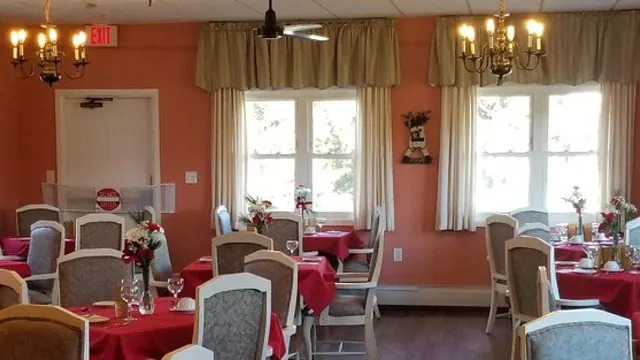 PatchogueMcPeak's Assisted LivingMcPeak's Assisted Living is a small community in Patchogue, Suffolk County. Families often look for Assisted Living: Forward-Thinking Care for Your Elderly Loved One and check the 4 Things to Look for in a Long Island Assisted Living Community before touring. The facility appears in the Assisted Living Suffolk County listings.Assisted livingMemory careSee the full profile Lake RonkonkomaHidden GemHidden Gem is a small memory-care community in Lake Ronkonkoma, Suffolk County, offering memory care servicesmemory care services and joining senior living on the South Shore of Long Islandsenior living on the South Shore.Memory careSee the full profile
 While both memory care and assisted living help seniors with daily activities like bathing, dressing, and meals, there are important distinctions:
Memory care communities on Long Island serve individuals with various forms of dementia:
Understanding where your loved one falls on the Alzheimer's progression scale helps determine when memory care becomes necessary:
Most families begin exploring memory care options during stages 4-5, when safety concerns and caregiver burnout become significant factors.
Long Island offers memory care facilities across both Nassau and Suffolk counties. Here is an overview of available programs by region:
Nassau County has the highest concentration of memory care facilities on Long Island, with over 25 programs offering specialized dementia care. Communities are located throughout the county, from the North Shore towns like Glen Cove and Roslyn to South Shore communities in Rockville Centre and Massapequa. View all Nassau County memory care facilities →
Suffolk County provides memory care options from western towns like Huntington and Smithtown to eastern communities in Riverhead and beyond. Many facilities in Suffolk offer campus-style settings with outdoor walking paths and gardens designed for residents with cognitive conditions. View all Suffolk County memory care facilities →
Looking for memory care in a specific Long Island town? We have detailed guides for communities throughout Nassau and Suffolk counties. Contact us and we will match your loved one with the right facility based on location, care needs, and budget.
Memory care on Long Island typically costs between $6,000 and $12,000 per month, depending on the level of care needed, room type, and facility location. Key factors that affect pricing include:
Families on Long Island use several methods to pay for memory care:
Deciding to move a loved one into memory care is one of the most difficult decisions a family faces. Consider memory care when:
When evaluating memory care facilities on Long Island, ask about:
Finding the right memory care community for your loved one does not have to be overwhelming. Assisted Living Locators of Long Island provides a completely free placement service for families across Nassau County, Suffolk County, and Queens.
Mike McClernon, your local senior living advisor, has helped hundreds of families navigate the memory care decision. He will:
This service is 100% free to families. Call (516) 254-9481 or contact us online to get started today.
Many families have heard the term "memory care" but aren't sure what it actually means. Mike McClernon keeps it simple: memory care is assisted...
Personal care and support with daily activities, while keeping independence.
Assisted living on Long IslandSecure, structured communities for people living with Alzheimer's and other dementias.
Memory care on Long IslandMaintenance-free living with a social community for active seniors.
Independent living optionsTell Mike a little about your situation. He replies personally, and his help is free to families.